

Вебінари в межах проєкту DigiFLEd уже стали не просто регулярними зустрічами, а живим простором обміну досвідом, де ідеї народжуються в діалозі, а практики одразу знаходять своє застосування. Крок за кроком ми продовжуємо відкривати нові підходи до викладання мов, поєднуючи академічну традицію з цифровими можливостями.
Цього разу учасники долучилися до практичного вебінару “Digital Text Analysis Tools for Teachers and Students”, організованого Харківським національним університетом імені В. Н. Каразіна. Захід об’єднав викладачів, студентів і молодих дослідників, які прагнуть осмислено інтегрувати цифрові інструменти в мовну освіту.
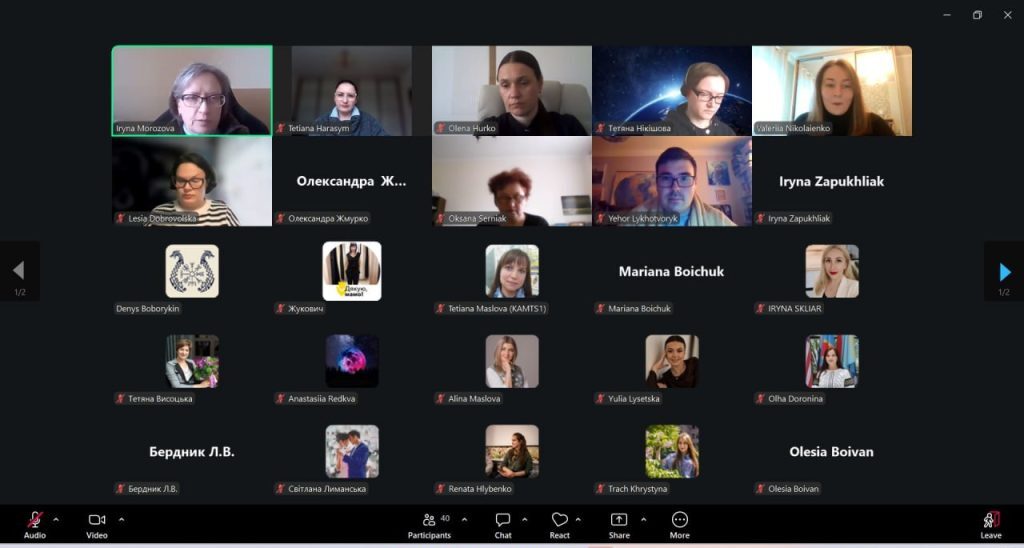
Спікерки – Ірина Морозова та Валерія Ніколаєнко – запропонували поглянути на текст по-новому: не лише як на об’єкт читання, а як на поле для дослідження. Вони продемонстрували, як сучасні цифрові сервіси допомагають переходити від базового аналізу до глибшої інтерпретації.
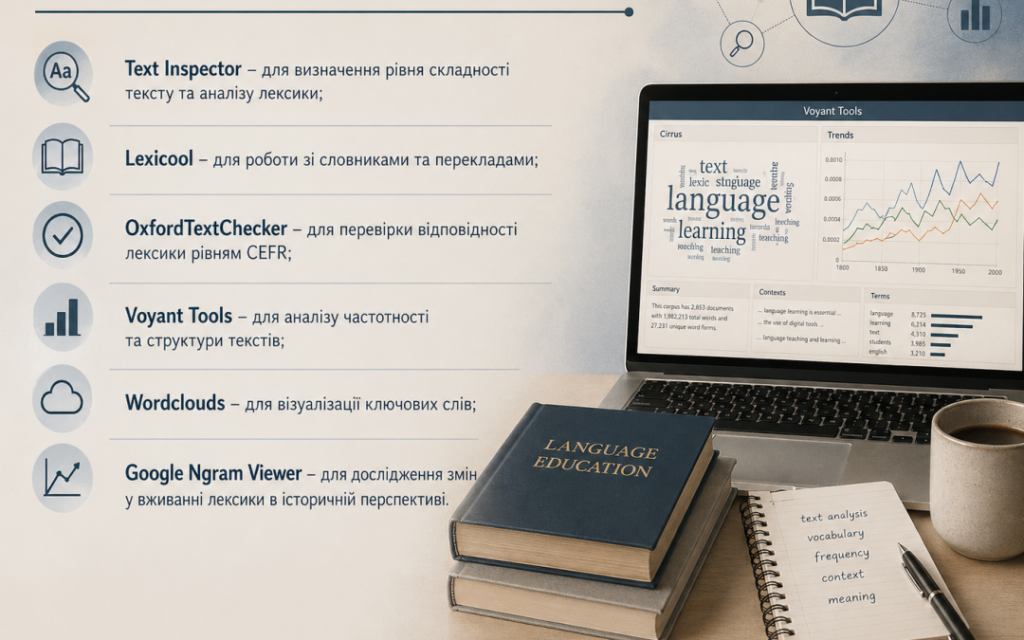
Учасники ознайомилися з низкою інструментів, серед яких:
- Text Inspector – для визначення рівня складності тексту та аналізу лексики;
- Lexicool – для роботи зі словниками та перекладами;
- OxfordTextChecker – для перевірки відповідності лексики рівням CEFR;
- Voyant Tools – для аналізу частотності та структури текстів;
- Wordclouds – для візуалізації ключових слів;
- Google Ngram Viewer – для дослідження змін у вживанні лексики в історичній перспективі.
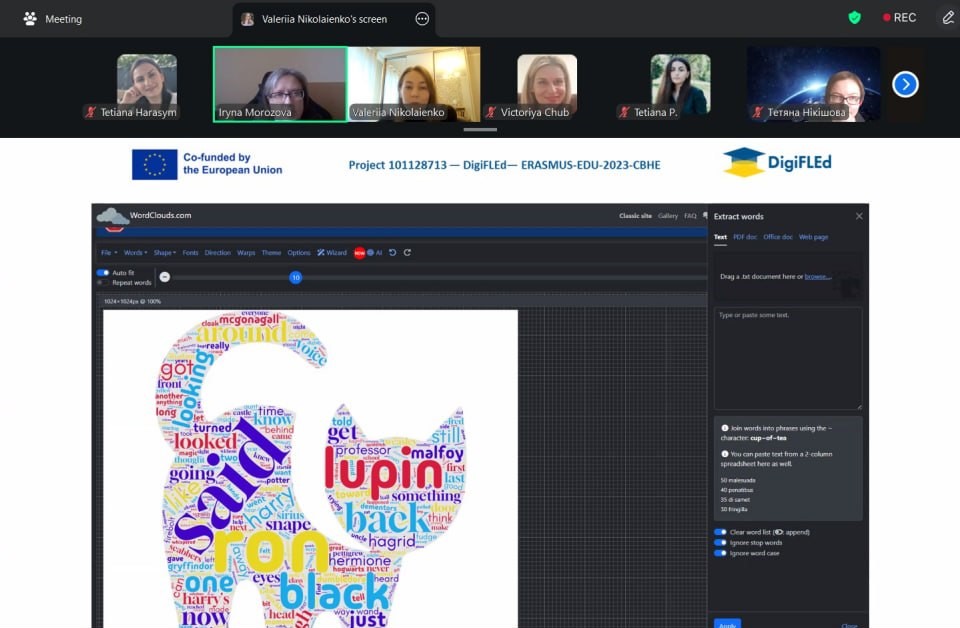
Окрему увагу приділено практичному застосуванню цих інструментів: від створення дидактичних матеріалів до реалізації студентських дослідницьких проєктів.
Цифрові інструменти відкривають нові можливості для мовної освіти, перетворюючи аналіз на дослідження, а навчання — на процес спільного відкриття та переосмислення.
Webinars within the DigiFLEd project have evolved beyond regular meetings into a dynamic space for sharing experience, where ideas emerge through dialogue and practices find immediate application. Step by step, we continue to explore new approaches to language teaching, combining academic tradition with digital innovation.
This time, participants joined the practical webinar “Digital Text Analysis Tools for Teachers and Students,” organised by V. N. Karazin Kharkiv National University. The event brought together teachers, students, and early-career researchers interested in the meaningful integration of digital tools into language education.
The speakers, Iryna Morozova and Valeriia Nikolaienko, invited participants to look at text from a new perspective – not only as an object of reading, but as a space for exploration. They demonstrated how modern digital tools can support the transition from basic analysis to deeper interpretation.
Participants were introduced to a range of tools, including:
- Text Inspector – for analysing text complexity and vocabulary;
- Lexicool – for working with dictionaries and translations;
- Oxford Text Checker – for checking vocabulary against CEFR levels;
- Voyant Tools – for analysing word frequency and text structure;
- Wordclouds – for visualising key vocabulary;
- Google Ngram Viewer – for exploring historical trends in language use.
Particular attention was given to the practical application of these tools, from developing teaching materials to supporting student research projects.
Digital tools open up new possibilities for language education, transforming analysis into inquiry and learning into a process of shared discovery and reflection.
Funded by the European Union. Views and opinions expressed are however those of the author(s) only and do not necessarily reflect those of the European Union or the European Education and Culture Executive Agency (EACEA). Neither the European Union nor EACEA can be held responsible for them.