


Ще один важливий етап проєкту успішно завершено: третя хвиля тренінгу «Спеціальні аспекти цифрового викладання» об’єднала освітян, здобувачів освіти та фахівців, зацікавлених у розвитку цифрових компетентностей і впровадженні сучасних технологій у навчальний процес.
До навчання долучилися майже 200 учасників, серед яких були викладачі закладів вищої освіти, учителі закладів загальної середньої освіти, студенти та представники інших освітніх установ. Тренінг став платформою для обміну досвідом, розвитку цифрових компетентностей та ознайомлення з сучасними інструментами, які можуть підвищити ефективність навчання та залученість здобувачів освіти.
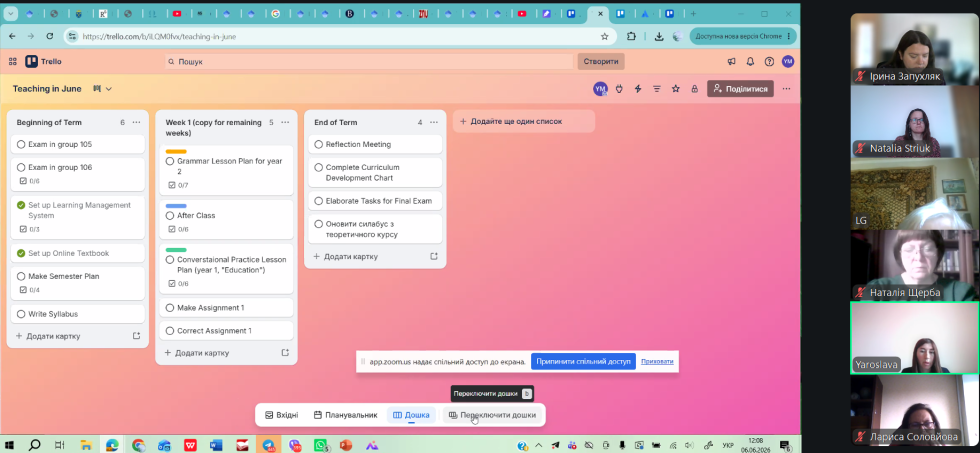
Учасники працювали над різними аспектами цифрового викладання. Значну увагу було приділено плануванню та організації навчального процесу за допомогою цифрових інструментів, зокрема сервісу Trello для управління завданнями та проєктами. Окремий блок був присвячений візуальному дизайну навчальних матеріалів, де учасники створювали освітні комікси в Comic Life 3 та знайомилися з можливостями розробки вебресурсів за допомогою 123site.
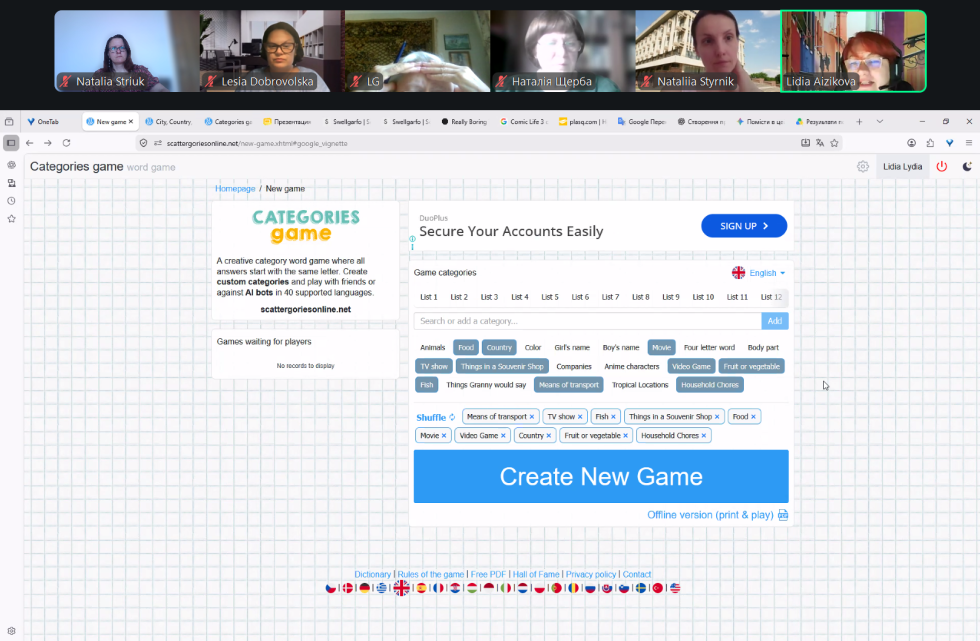
Важливе місце у програмі тренінгу посідала гейміфікація навчання. Учасники досліджували можливості використання освітніх ігор та інтерактивних завдань, працювали з платформами Scattergories Online та Roshi.ai, а також розглядали шляхи інтеграції ігрових елементів у власну педагогічну практику.
Тренінг також сприяв розвитку дослідницьких компетентностей. Учасники вдосконалювали навички пошуку та опрацювання наукової інформації за допомогою Google Scholar, обговорювали питання академічної доброчесності та використання цифрових ресурсів у науковій діяльності.
Третя хвиля тренінгу стала ще одним важливим кроком у реалізації цілей проєкту DigiFLEd, спрямованого на модернізацію мовної освіти та розвиток цифрових компетентностей викладачів і здобувачів освіти.
Another important milestone of the project has been successfully completed: the third wave of the training course “Special Aspects of Digital Teaching” brought together educators, students, and professionals interested in developing digital competences and integrating modern technologies into the educational process.
Nearly 200 participants joined the training, including university lecturers, school teachers, students, and representatives of other educational institutions. The training served as a platform for exchanging experiences, enhancing digital skills, and exploring contemporary tools that can improve teaching effectiveness and student engagement.
Participants worked on various aspects of digital teaching. Particular attention was paid to planning and organising the learning process using digital tools, including Trello for task and project management. A separate module focused on the visual design of educational materials, where participants created educational comics using Comic Life 3 and explored website development opportunities with 123site.
Gamification was another key component of the programme. Participants explored the use of educational games and interactive activities, worked with platforms such as Scattergories Online and Roshi.ai, and discussed ways of integrating game-based elements into their own teaching practice.
The training also contributed to the development of research competences. Participants enhanced their skills in searching for and analysing academic information through Google Scholar, while also discussing issues related to academic integrity and the use of digital resources in research activities.
The third wave of the training marked another significant step towards achieving the goals of the DigiFLEd project, which aims to modernise language education and strengthen the digital competences of both educators and learners.
Funded by the European Union. Views and opinions expressed are however those of the author(s) only and do not necessarily reflect those of the European Union or the European Education and Culture Executive Agency (EACEA). Neither the European Union nor EACEA can be held responsible for them.